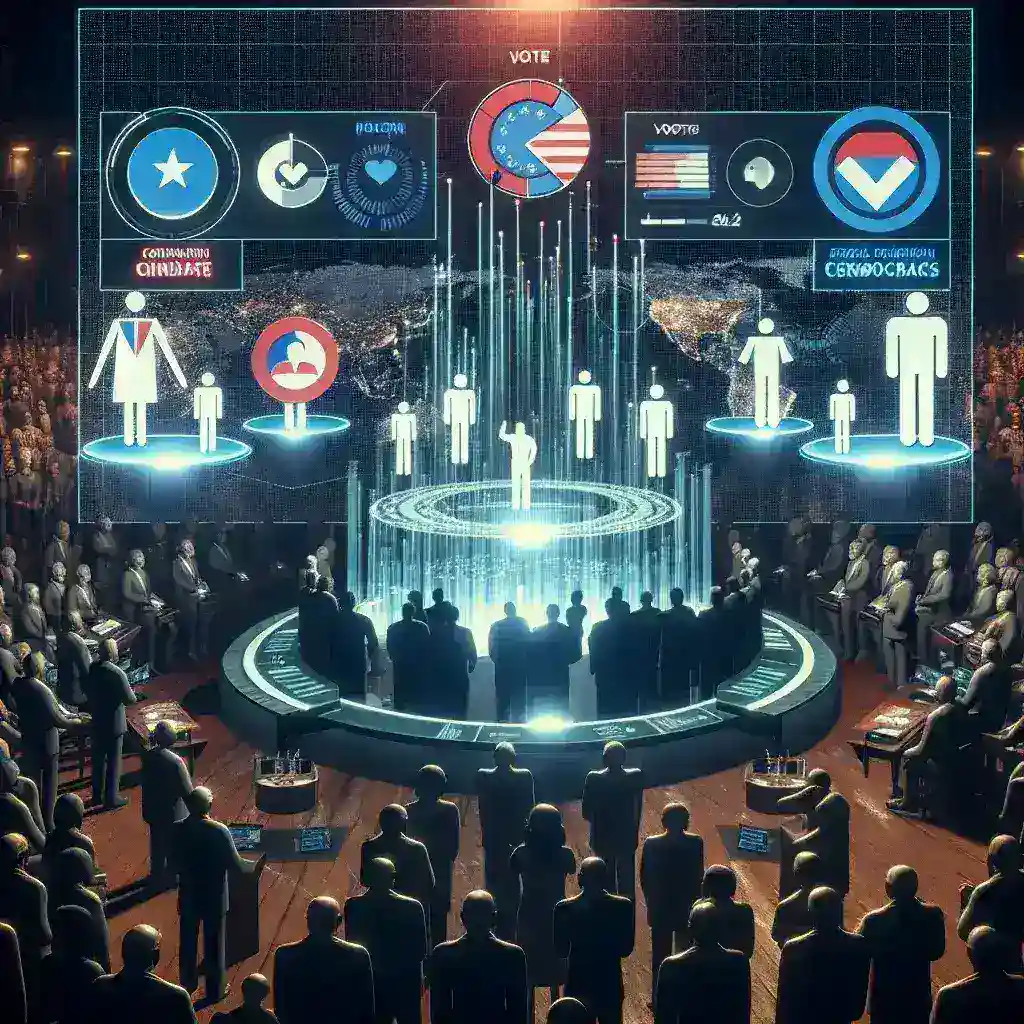
Netflix’s Groundbreaking Interactive Election Simulation Drama
In an era where the digital landscape is rapidly evolving, Netflix has once again set the bar high with its latest venture: an interactive election simulation drama. This innovative series not only entertains but also educates viewers about the complexities of the electoral process. In this article, we will delve deep into this new trend, exploring its implications, historical context, and what it means for both the audience and the future of storytelling.
The Concept Behind the Interactive Drama
At its core, the interactive election simulation drama offers viewers a unique experience, allowing them to influence the storyline and the outcomes through choices made at critical junctures. This format is a significant shift from traditional passive viewing, as it invites audiences to engage actively with the narrative.
What Makes This Format Unique?
- Active Participation: Viewers are not just spectators; they become participants, making decisions that can alter the course of the story.
- Educational Value: The series aims to inform viewers about the electoral process, the importance of voting, and the impact of political decisions on society.
- Replayability: Multiple endings and scenarios encourage viewers to re-watch the series to explore different paths and outcomes.
A Brief History of Interactive Content
Interactive storytelling is not a new concept; however, its application in mainstream media has been limited, until now. Some notable milestones include:
- Video Games: Many video games have successfully incorporated interactive narratives, allowing players to make choices that affect gameplay and plot.
- Choose Your Own Adventure Books: These classic books from the 1980s provided young readers with a sense of agency, similar to Netflix’s current format.
- Black Mirror: Bandersnatch: Netflix’s own foray into interactive film set the stage for this election simulation, demonstrating the viability of this format.
How the Interactive Election Simulation Works
Viewers will find themselves in the shoes of a political candidate, navigating the challenges of an election campaign. Every decision, from policy proposals to public appearances, will influence the character’s trajectory. The series prompts questions such as:
- How does a candidate deal with backlash from controversial policies?
- What strategies can be employed to gain public support?
- How do interpersonal dynamics within a campaign team affect decision-making?
A Step-by-Step Guide to Navigating the Series
- Start Watching: As the episode begins, viewers are introduced to their character and the campaign scenario.
- Make Choices: At pivotal moments, viewers will be prompted to make choices that will impact the storyline.
- Explore Outcomes: After completing an episode, viewers can choose to re-watch and make different decisions to explore alternative endings.
The Cultural Relevance of the Series
In today’s politically charged environment, this interactive drama holds significant cultural relevance. It not only highlights the importance of civic engagement but also reflects contemporary societal issues such as:
- Voter Apathy: The series aims to reinvigorate interest in the electoral process, particularly among younger audiences who may feel disenchanted.
- Media Influence: It showcases how media can shape public perception and influence electoral outcomes.
- Diversity in Representation: The characters and scenarios presented reflect a variety of backgrounds and viewpoints, promoting inclusivity.
Pros and Cons of Interactive Storytelling
Pros:
- Engagement: Increases viewer investment in the story.
- Educational Opportunities: Provides a platform for learning about complex societal issues.
- Customization: Allows viewers to tailor their experience based on personal preferences.
Cons:
- Potential for Confusion: The branching narratives may overwhelm some viewers.
- Resource Intensive: Producing interactive content is often more costly than traditional storytelling.
- Limited Audience: Some audiences may prefer passive viewing experiences.
Future Predictions for Interactive Content
As technology continues to advance, the potential for interactive storytelling is vast. Experts predict that:
- More networks and streaming services will adopt interactive formats to enhance viewer engagement.
- Advancements in AI will allow for more personalized and responsive storytelling experiences.
- Interactive dramas will become a mainstream genre, similar to how reality television evolved.
Conclusion
Netflix’s debut of the interactive election simulation drama marks a significant milestone in the evolution of storytelling within the digital age. By marrying entertainment with education, this innovative approach not only captivates audiences but also emphasizes the importance of civic participation. As viewers navigate their political journeys, they are likely to gain valuable insights into the complexity of electoral processes, making this series both a thought-provoking and entertaining experience.
As we witness the future of interactive drama unfold, one can only imagine the possibilities that lie ahead for audiences and creators alike. Will you take the plunge and influence the outcome of this groundbreaking narrative? The choice is yours.



Leave a Reply