Introduction
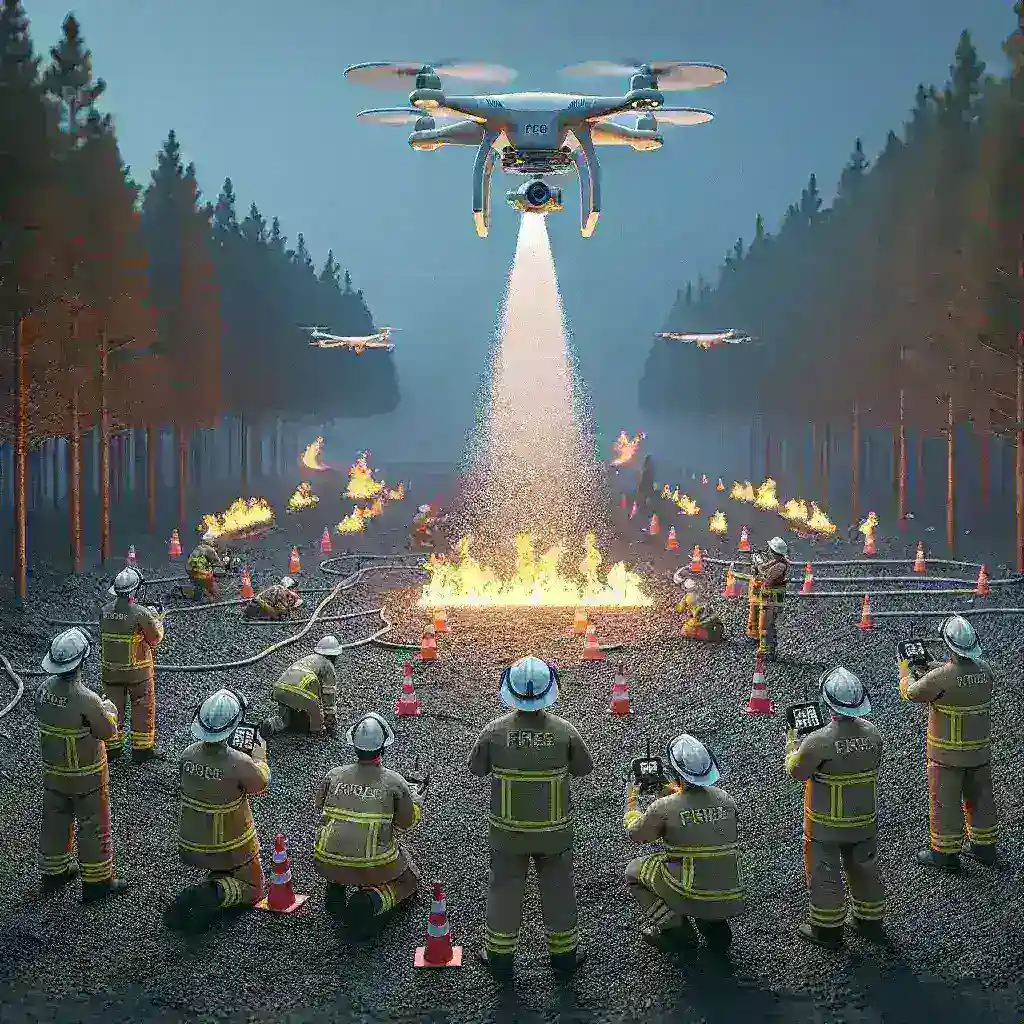
As wildfires continue to pose a significant threat to lives and property across the globe, the importance of innovative firefighting strategies cannot be overstated. In recent years, DJI, a leader in drone technology, has recognized this need and is taking proactive steps to enhance the capabilities of firefighting brigades by expanding training programs specifically designed for drone operation in emergency situations. This article delves into the implications of this initiative, its historical context, and the future of drone-assisted firefighting.
Historical Context
The use of drones in firefighting is not a new concept. The technology began gaining traction in the early 2010s when unmanned aerial vehicles (UAVs) started demonstrating their potential for aerial surveillance and real-time data collection. Firefighters quickly realized that drones could significantly aid in assessing fire situations, mapping out affected areas, and providing crucial information that could save lives.
DJI, at the forefront of this technological evolution, has been instrumental in developing drones tailored for firefighting applications. Their introduction of the Matrice series, equipped with thermal imaging capabilities, has allowed teams to monitor fires from above, offering a bird’s-eye view of ongoing operations.
The Expansion of Training Programs
In response to the increasing demand for trained professionals who can operate drone technology in firefighting contexts, DJI is expanding its training offerings. These programs aim to provide firefighters with the necessary skills to utilize drones effectively during emergencies.
Key Features of the Training Program
- Hands-On Experience: Practical training sessions allow firefighters to familiarize themselves with drone controls, flight patterns, and emergency protocols.
- Theoretical Knowledge: Participants will gain a comprehensive understanding of drone technology, including maintenance, safety regulations, and operational procedures.
- Simulation Exercises: Realistic simulations create an immersive learning environment, allowing trainees to experience firefighting scenarios in a controlled setting.
- Certification: Upon successful completion, participants receive certifications that validate their proficiency in drone operations, enhancing their qualifications.
Benefits of Expanding Training Programs
The expansion of training for drone firefighting brigades offers several advantages:
Enhanced Safety
By equipping firefighters with drone technology, the risks associated with direct exposure to dangerous fire conditions can be minimized. Drones can assess hazardous situations without putting human lives at risk.
Improved Efficiency
Drones provide real-time data, allowing firefighting teams to make informed decisions quickly. This leads to more effective deployment of resources and optimized response strategies.
Cost-Effective Solutions
Integrating drones into firefighting efforts can reduce operational costs. The ability to gather data and monitor fires remotely decreases the need for extensive personnel on the ground.
Real-World Applications
Numerous firefighting brigades across the globe have already begun to incorporate drone technology into their operations. For instance, during the 2020 wildfire season in California, several firefighting teams utilized drones to monitor fire progression and assess damage in real time. The success of these operations has led to an increased interest in further training and integration of drone technology.
Future Predictions
As DJI continues to expand its training programs, we can expect several trends to emerge in the field of firefighting:
- Increased Adoption of Drone Technology: More firefighting brigades will likely adopt drone technology as training becomes more accessible.
- Integration with AI: Future drones may incorporate artificial intelligence to enhance decision-making processes during firefighting operations.
- Collaborative Efforts: Partnerships between technology companies and firefighting agencies will pave the way for innovative solutions tailored to specific challenges.
Pros and Cons of Drone Technology in Firefighting
Pros
- Improved situational awareness and data collection.
- Reduced risk to personnel.
- Cost savings in terms of resources and manpower.
Cons
- Regulatory constraints surrounding airspace use.
- Dependence on technology, which may fail in critical moments.
- Initial costs for training and equipment can be significant.
Cultural Relevance
The integration of drone technology into firefighting also reflects a broader cultural shift towards embracing advanced technologies in emergency response. As communities grapple with the effects of climate change, the need for innovative solutions has never been more pressing. Drones symbolize a forward-thinking approach that prioritizes safety, efficiency, and adaptability.
Expert Opinions
Firefighting experts and drone operators alike emphasize the importance of comprehensive training. According to a statement from a leading firefighting authority, “The expansion of training programs is vital for ensuring that our teams can leverage technology to its fullest potential, ultimately saving lives and protecting properties.”
Conclusion
DJI’s commitment to expanding training for drone firefighting brigades marks a significant step forward in the evolution of emergency response. As these training programs take shape, the future of firefighting looks increasingly promising, with drones set to play an essential role in safeguarding communities against the devastating impact of wildfires. Firefighting brigades that embrace this technology will not only enhance their operational capabilities but also redefine the landscape of modern firefighting.



Leave a Reply