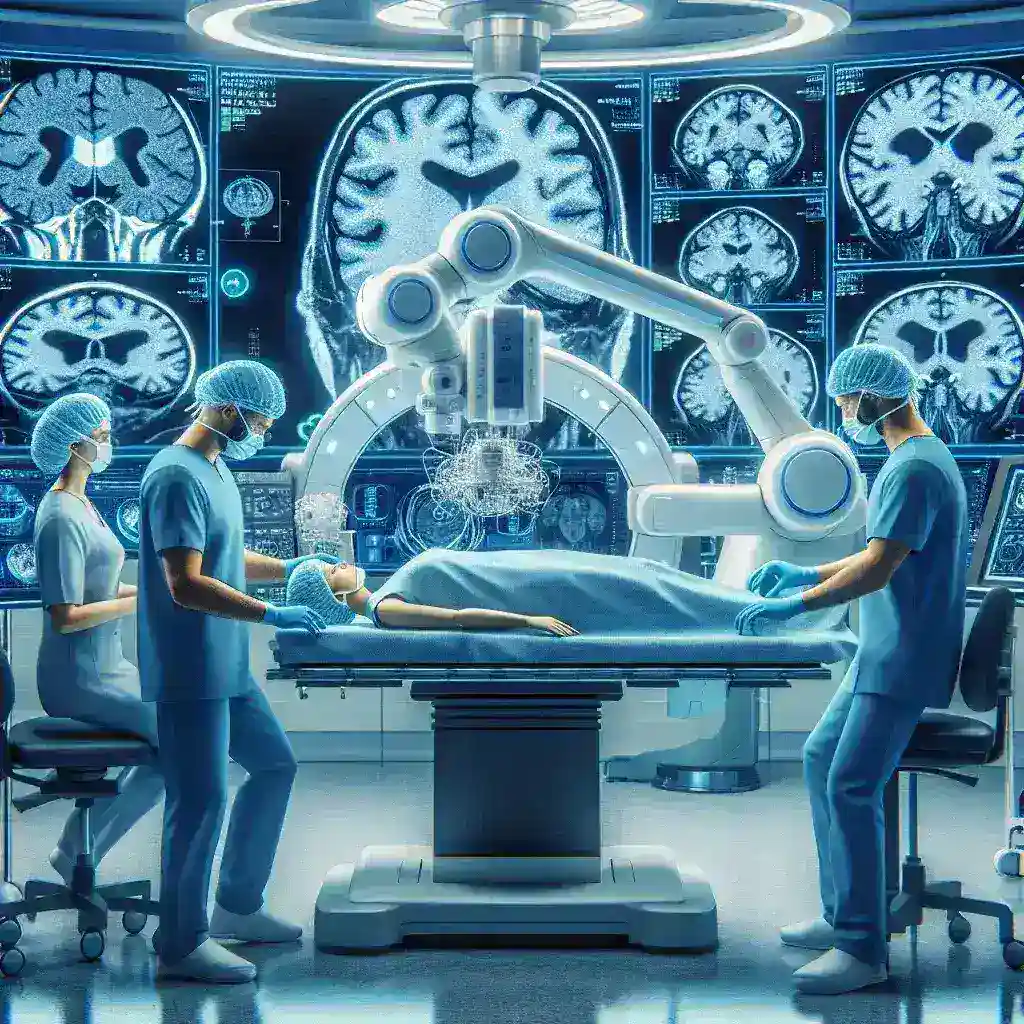
Introduction to NeuroArm
Neurosurgery has always been a field that demands precision, innovation, and adaptability. With the advent of technology, surgeons have begun to leverage tools that enhance their capabilities, and one such tool is the NeuroArm. This remarkable device is at the forefront of image-guided, MR-compatible neurosurgery, offering new hope for patients undergoing complex brain operations.
Understanding NeuroArm Technology
The NeuroArm is a robotic surgical system designed to allow for high-precision operations within the magnetic resonance (MR) imaging environment. This unique capability allows neurosurgeons to visualize the surgical site in real time, significantly improving intraoperative decision-making. The integration of NeuroArm into the surgical workflow transforms traditional neurosurgery into a highly dynamic and responsive procedure.
Key Features of NeuroArm
- MR Compatibility: NeuroArm is designed to function seamlessly within an MR imaging environment, eliminating the need for external imaging post-operation.
- Precision Robotics: The robotic arms offer unparalleled precision, allowing surgeons to perform delicate maneuvers with enhanced control.
- Real-Time Imaging: Surgeons can view detailed MR images while operating, providing critical feedback that guides their actions.
- Minimally Invasive Options: The system allows for less invasive approaches, which can lead to reduced recovery times and lower risks of complications.
Historical Context of Image-Guided Neurosurgery
The journey towards image-guided neurosurgery began several decades ago, with the introduction of imaging technologies such as CT and conventional MR imaging. Neurosurgeons gradually started to integrate these technologies into their practices to enhance surgical precision. The development of NeuroArm represents a significant leap forward in this evolution, enabling surgeons to operate in a manner that was previously unimaginable.
Advancements Over the Years
In the early 2000s, the concept of robotic assistance in surgery was still in its infancy. However, as technology advanced, the integration of robotics into surgical procedures gained momentum. Innovations in imaging modalities and robotic technologies converged to pave the way for the NeuroArm, which was born out of a need for more precise and effective neurosurgical interventions.
Benefits of Using NeuroArm in Neurosurgery
NeuroArm provides several advantages that enhance surgical outcomes:
- Improved Accuracy: The robotic system’s precision reduces the likelihood of damaging healthy brain tissue.
- Enhanced Visualization: Real-time MR imaging allows for better assessment of the surgical field.
- Reduced Patient Trauma: Minimally invasive techniques contribute to shorter hospital stays and faster recovery.
- Team Collaboration: NeuroArm facilitates better collaboration between neurosurgeons and radiologists, improving overall surgical strategy.
Challenges and Considerations
While the benefits of NeuroArm are substantial, there are also challenges and considerations that must be acknowledged:
- Cost Factor: Implementation and maintenance of such advanced systems can be costly for healthcare institutions.
- Training Requirements: Surgeons and staff must undergo rigorous training to operate the robotic system efficiently.
- Technology Dependence: Increased reliance on technology may lead to challenges if systems malfunction.
Future Predictions for Neurosurgery with NeuroArm
As technology continues to evolve, the future of neurosurgery looks promising with tools like NeuroArm at the forefront. We can anticipate:
- Increased Automation: Future iterations may feature enhanced automation, reducing the need for manual input.
- Integration with AI: Artificial intelligence could further enhance imaging and decision-making processes during surgery.
- Broader Accessibility: Advances in technology may lower costs, making such systems accessible to more healthcare providers.
Conclusion
The NeuroArm represents a significant advancement in the field of neurosurgery, enabling image-guided, MR-compatible procedures that improve surgical outcomes and patient safety. As we move forward, the integration of advanced technologies will undoubtedly continue to shape the landscape of neurosurgery, leading to more innovative and effective treatment options for patients worldwide.



Leave a Reply